

Celebrating 2A Day: Honoring the Second Amendment
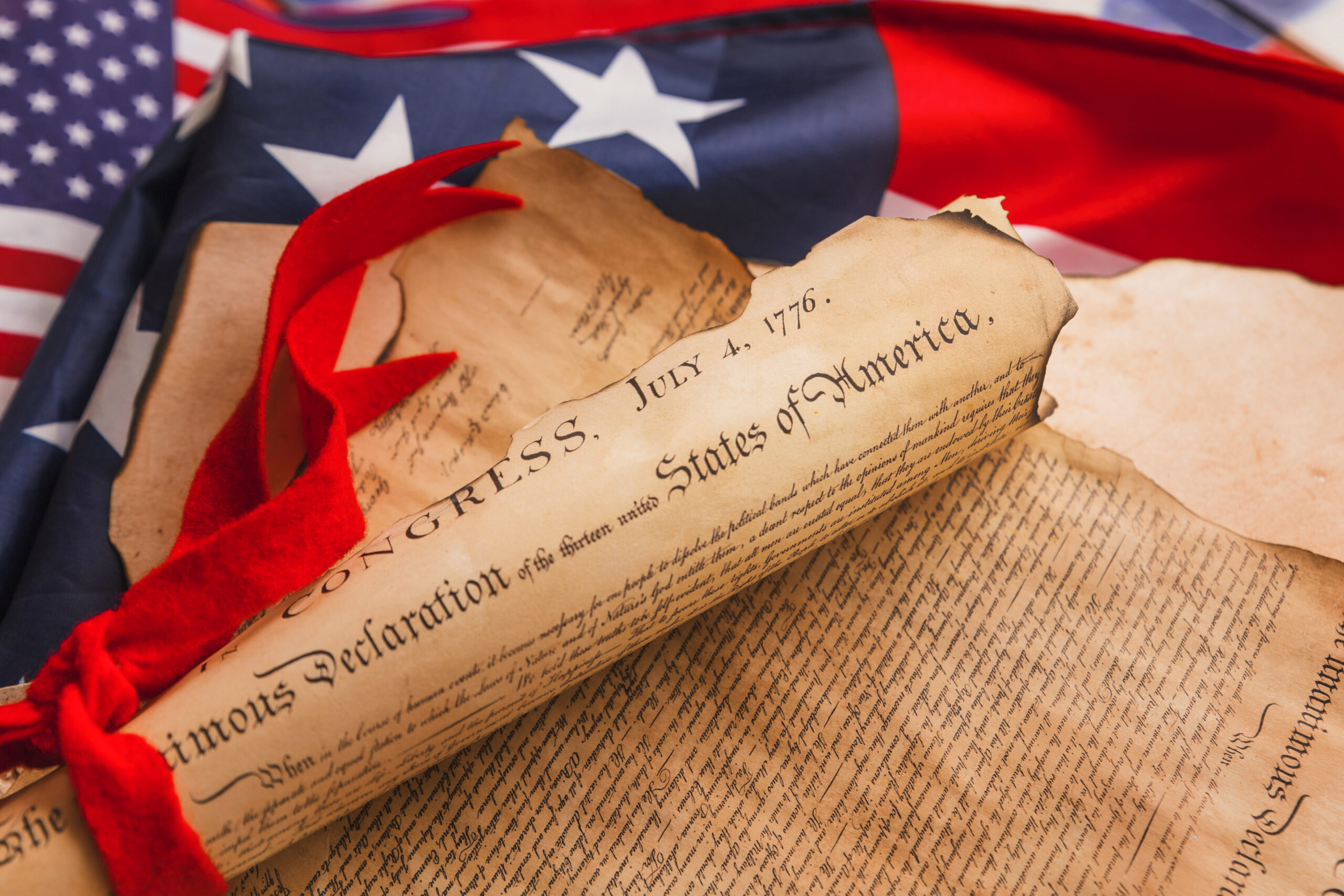
Today, April 17th, 2026, we celebrate, observe and remember our 2nd Amendment of our United States Constitution. (Photo courtesy of freepik.com)
Understanding the Second Amendment
The Second Amendment to the United States Constitution, ratified in 1791, serves as a pivotal element of the American legal framework. It states, “A well regulated Militia, being necessary to the security of a free State, the right of the people to keep and bear Arms, shall not be infringed.” This amendment encapsulates the framers’ intention to empower individuals with the right to possess and carry weapons, reflecting a foundational principle of personal freedom and defense.
Historically, the impetus for the Second Amendment arose from the experiences of the American colonies, where citizens armed themselves against oppressive British rule. The framers were profoundly influenced by the belief that a well-armed populace is essential to safeguard against tyranny. The language of the amendment emphasizes both the collective aspect of a militia and the individual right to bear arms, suggesting a dual purpose that has fueled extensive legal and social debates.
In American democracy, the significance of the right to bear arms is often discussed in terms of individual liberties, self-defense, and resistance to government overreach. This right embodies the spirit of personal autonomy, wherein citizens may protect themselves, their homes, and their communities. However, the evolving discourse surrounding gun ownership has brought diverse interpretations and implications, particularly as issues of gun violence, public safety, and regulation emerge in contemporary society.
As the nation grapples with these complex dynamics, the Second Amendment continues to be a focus of both legal scrutiny and civic dialogue. Understanding its historical context and the motivations behind its inclusion in the Bill of Rights is crucial for comprehending its relevance today. The ongoing debate regarding the interpretation and application of this amendment highlights the need for a nuanced and informed discussion about the rights and responsibilities associated with bearing arms in America.
April 17th, designated as 2A Day, holds significant importance for gun rights advocates across the United States. This special day was established to honor the Second Amendment and to promote awareness of the constitutional rights it encompasses. In a democratic society, the celebration serves not only as a reminder of the importance of individual liberties but also as a rallying point for those who support and advocate for the right to bear arms.
The Second Amendment is often at the forefront of political discussions and legal debates, making 2A Day an essential platform for education. On this day, advocates take the opportunity to engage the public in constructive conversations about the implications, history, and relevance of gun ownership and self-defense. By organizing events such as lectures, discussions, and workshops, participants aim to educate both supporters and skeptics alike about the rights afforded by the Second Amendment.
Moreover, 2A Day fosters a sense of community among its supporters. Various rallies and gatherings across the nation provide individuals with a chance to connect with like-minded people and strengthen their collective voice. These events often feature speakers who share personal stories, as well as organizations that inform attendees about legislative efforts pertaining to gun rights. In addition to the larger gatherings, many local communities also hold smaller, informal events, allowing individuals to discuss and share their views in a supportive environment.
In essence, 2A Day not only celebrates the Second Amendment but also serves as a vital opportunity for advocates to educate the public, foster community engagement, and promote the importance of protecting fundamental rights. Through these collective efforts, the impact of 2A Day resonates far beyond April 17th, influencing ongoing conversations about freedom and self-defense throughout the year.
Current Debates Surrounding the Second Amendment
The Second Amendment of the United States Constitution has been a focal point of intense national debates, particularly in light of the increasing incidence of gun violence. At the heart of these discussions lies the contentious issue of gun control, which pits advocates for stricter regulations against those who champion individual rights to bear arms. Proponents of stringent gun control measures argue that enhanced regulations are necessary to curtail gun-related fatalities and ensure public safety. They contend that universal background checks, bans on assault weapons, and limits on magazine capacities can help prevent firearms from falling into the hands of those who may cause harm.
On the other hand, opponents of gun control emphasize the constitutional guarantee of the right to bear arms, asserting that responsible gun ownership is a fundamental freedom enshrined by the Second Amendment. They argue that rather than restricting access to guns, greater emphasis should be placed on mental health initiatives and community safety programs. This perspective holds that an armed populace serves as a deterrent against crime and tyranny, reinforcing the notion of individual liberty.
Recent legislation and court rulings have significantly influenced the ongoing discourse surrounding the Second Amendment. Various states have enacted laws that either broaden or restrict gun rights, reflecting their diverse interpretations of the Constitution. Landmark Supreme Court decisions, such as District of Columbia v. Heller (2008) and McDonald v. City of Chicago (2010), have reaffirmed the individual right to possess firearms for self-defense, yet have also opened the door for discussions around reasonable regulations. These developments impact the ongoing debates, as they shape public perception and the political landscape concerning both the Second Amendment and gun control measures.
Looking Forward: The Future of Second Amendment Rights
The future of Second Amendment rights in the United States is increasingly influenced by shifting political landscapes and evolving societal attitudes towards firearms. As debates about gun control continue to persist, it is essential to consider how these changes may shape the interpretation and implementation of the Second Amendment in the coming years. Legal challenges to existing laws are expected to escalate, reflecting a dynamic relationship between public sentiment and legislative action. In particular, differing interpretations of what constitutes “reasonable regulations” on firearms may lead to landmark Supreme Court cases that redefine constitutional rights.
Policy changes at both federal and state levels will also play a crucial role in determining the future of gun rights. Advocacy groups on both sides of the debate are likely to ramp up their efforts to influence legislation, making it imperative for stakeholders to remain informed and engaged. The integration of technology and data analytics in policy-making, bolstered by grassroots campaigns, also hints at more nuanced approaches to gun rights, potentially leading to innovative solutions that bridge the gap between public safety and individual liberties.
Moreover, the role of education cannot be understated in this ongoing discussion. Promoting informed dialogue around gun rights, personal responsibility, and firearm safety is vital in fostering a culture that respects both the Second Amendment and the broader implications of gun ownership. Advocacy for firearm education in schools, alongside public awareness campaigns, can empower citizens to engage thoughtfully in debates about gun rights. By emphasizing critical thinking and open communication, it is possible to cultivate a community that approaches the Second Amendment with respect for its historical significance and its future implications.


Post comments (0)